Work out why the patch happened
Grass rarely dies for no reason. Before you throw seed at a bare patch, check the soil and the surroundings: shade, compaction, dog urine, mower scalping and grub damage all look similar from a distance but need different fixes.
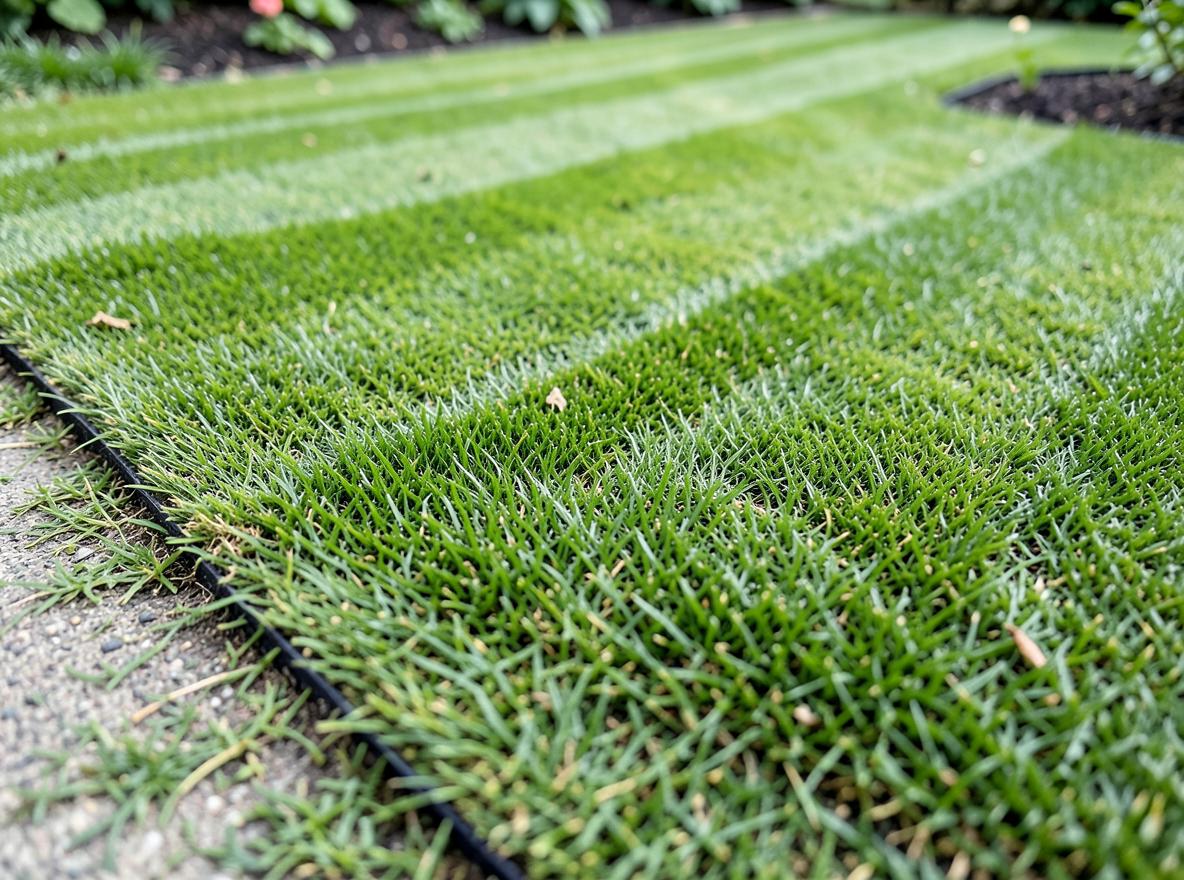
Pull on the dead grass. If it lifts away like a loose carpet, you probably have lawn grub or armyworm. If the ground is rock hard underfoot, compaction is the issue. If the patch sits where the mower turns, it is scalping.
- Lift a spadeful of soil and check for white curl grubs
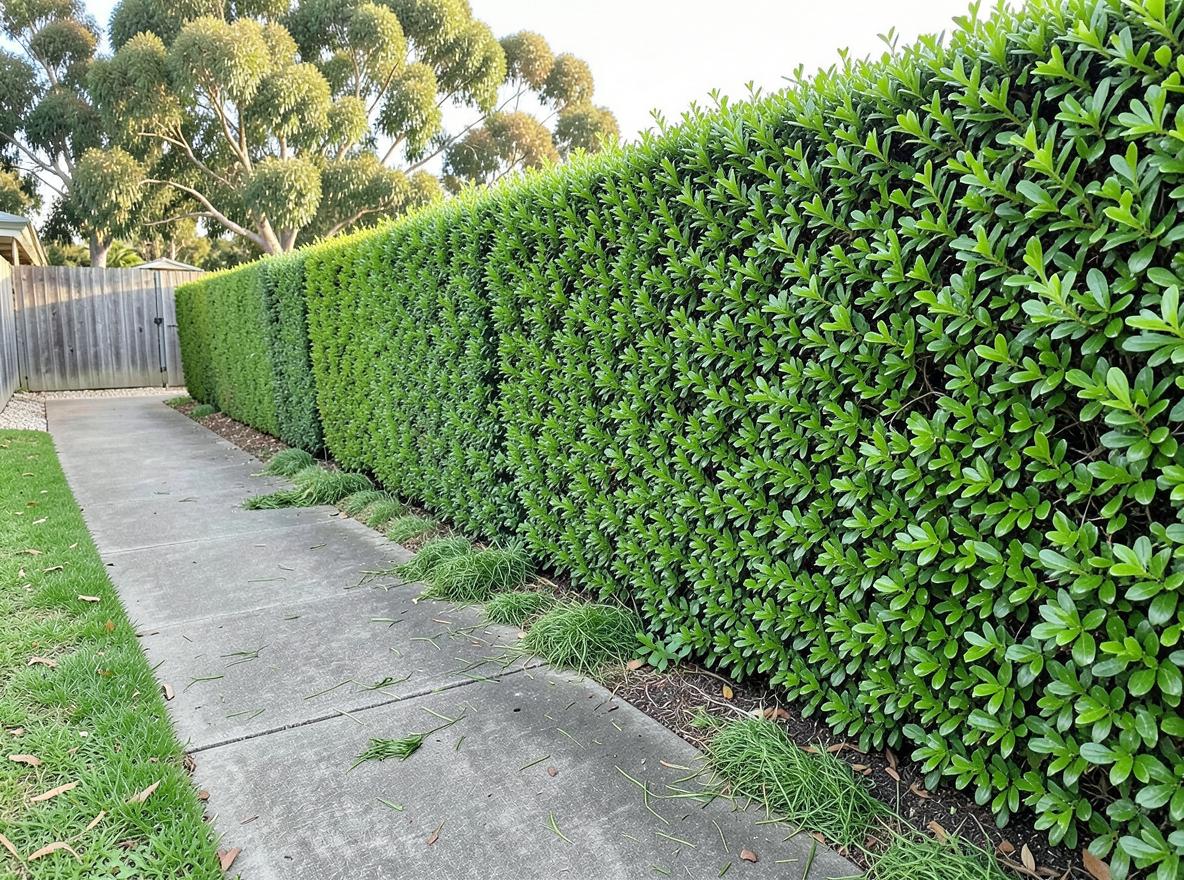
- Look for shade patterns from fences, trees and hedges
- Check whether sprinklers actually reach the patch
- Notice if the bare spot lines up with a regular mower turn
Repair steps that actually work
Loosen the top 20 to 30mm of soil, mix in a little compost and a lawn starter fertiliser, then lay turf or sow seed matched to your existing grass. Couch and kikuyu spread quickly in warm weather; buffalo is slower but tolerates shade better.
Keep the repaired area damp for the first two weeks — light watering twice a day beats one heavy soak on bare soil — then ease back to a normal schedule once new growth is established.
- Remove dead material and loosen the soil before planting
- Choose turf or seed that matches the surrounding lawn
- Water lightly and often for the first fortnight
- Keep foot traffic off the patch until it knits together
Stop it coming back
Once the patch has filled in, adjust the cause. Raise the mowing height slightly, alternate the mowing direction, and check the irrigation coverage every few weeks in summer.
If grubs were the problem, treat the whole lawn rather than just the damaged area, and re-check after heavy rain. A thick, well-fed lawn shades the soil and makes it much harder for weeds and pests to take hold.
- Rotate mowing patterns to avoid scalped corners
- Water deeply rather than often to encourage deep roots
- Treat the whole lawn for grubs, not only the dead patch
Want the lawn fixed properly before summer?
We repair bare patches, top-dress low spots and set up a mowing schedule that keeps the lawn thick through the hot months.
Last updated 10 November 2026. Advice is general — lawns vary with soil, shade and grass type.